

CBAM Enters a New Phase, Reshaping Compliance and Costs for the Fastener Industry
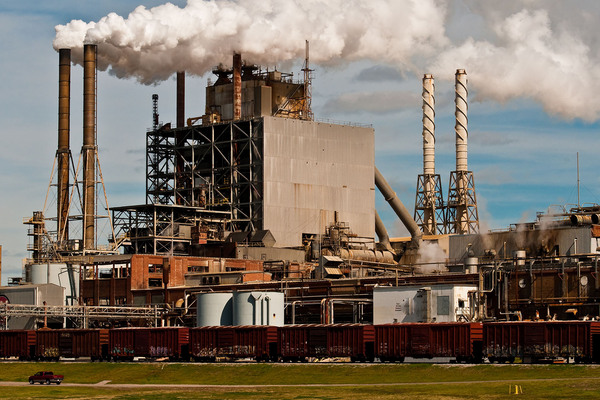
As the EU’s Carbon Border Adjustment Mechanism (CBAM) moves from its transitional phase toward full implementation in 2026, the global fastener and manufacturing industries are facing a new regulatory and cost reality.
Under CBAM, importers into the European Union will be required not only to report embedded carbon emissions but ultimately to pay a carbon price equivalent to that faced by EU producers. The mechanism is designed to prevent “carbon leakage” and ensure fair competition between EU-made and imported products, particularly in carbon-intensive sectors such as steel and aluminium — both critical to the fastener supply chain.
Industry experts note that the “new reality” of CBAM lies in its growing complexity. Exporters supplying the EU must provide accurate, verified emissions data across their supply chains. Where such data is incomplete or unavailable, EU authorities may apply default values, often resulting in higher assumed emissions and increased costs.
For fastener manufacturers and distributors, CBAM is driving several structural changes: greater emphasis on supply chain transparency, higher administrative and compliance costs, and increased pressure to measure and reduce carbon footprints at both material and production levels. Even companies not directly covered by CBAM today are being asked by customers to disclose carbon data as part of procurement requirements.
As the EU gradually phases out free emissions allowances under its Emissions Trading System (ETS), CBAM is expected to play a growing role in shaping global trade flows. For the fastener industry, early preparation — including emissions tracking, third-party verification, and supplier engagement — is becoming essential to maintaining competitiveness in the European market.















Please first Loginlater ~